

Breathe, Speak, and Smile Without Feeling Self-Conscious
Halitosis Treatment When Bad Breath Keeps Coming Back
You brush, floss, rinse, and maybe reach for a mint, only to notice the odor returning later. Occasional morning breath or the lingering effect of certain foods is normal, but chronic bad breath that keeps coming back deserves a closer look.
Fact: Halitosis affects about 31.8% of adults globally.
At Cura Smiles near Houston’s Galleria & River Oaks, halitosis treatment starts with identifying what is actually causing the odor. Care may be as simple as managing plaque or dry mouth, while some cases need dental treatment or medical follow-up.

Why Bad Breath Can Persist Even With Regular Brushing
Sometimes the problem is not how often you brush, but what brushing is missing. Bacteria break down food debris and proteins in the mouth, producing volatile sulfur compounds strongly associated with unpleasant breath.
Odor-causing bacteria and debris can accumulate:
- Across the tongue
- Between teeth
- Around the gum line
- Within plaque and tartar buildup
- Around areas of decay or failing dental work
The tongue is especially easy to overlook. A toothbrush or tongue scraper can help remove the coating where odor-causing bacteria collect, making tongue cleaning an important part of a complete oral hygiene routine.
That is why simply brushing the visible surfaces of your teeth may not solve persistent odor. A dental wellness exam can help Dr. Bishara look for contributing problems instead of guessing at the cause.
The Oral Problems Behind Persistent Bad Breath
Persistent bad breath can start with problems inside the mouth, especially where plaque, tartar, and bacteria gather around the gum line or between teeth.
Wild Fact: Around 20 billion bacteria can live in your mouth at any given time, yet just four types are known to contribute to halitosis.
Plaque and tartar buildup
Gingivitis or periodontal disease
Tooth decay
Infection
Failing dental work
Bacteria on the tongue
A dental wellness exam can help identify which of these may be contributing before treatment is recommended.
Beyond Dental Disease: How Dry Mouth, Diet, and Tobacco Affect Breath
Drinking water and chewing sugar-free gum may help increase saliva production, which gives the mouth more natural help clearing food particles and bacteria.
Other common triggers include:
- Garlic, onions, and strongly scented foods
- Smoking or chewing tobacco
- Dehydration
- Medications that affect saliva production
Sometimes the source is outside the mouth. Acid reflux, post-nasal drip, sinus infections, or another health condition can sometimes affect breath. If the mouth appears healthy but the odor continues, a healthcare provider may need to investigate the cause.

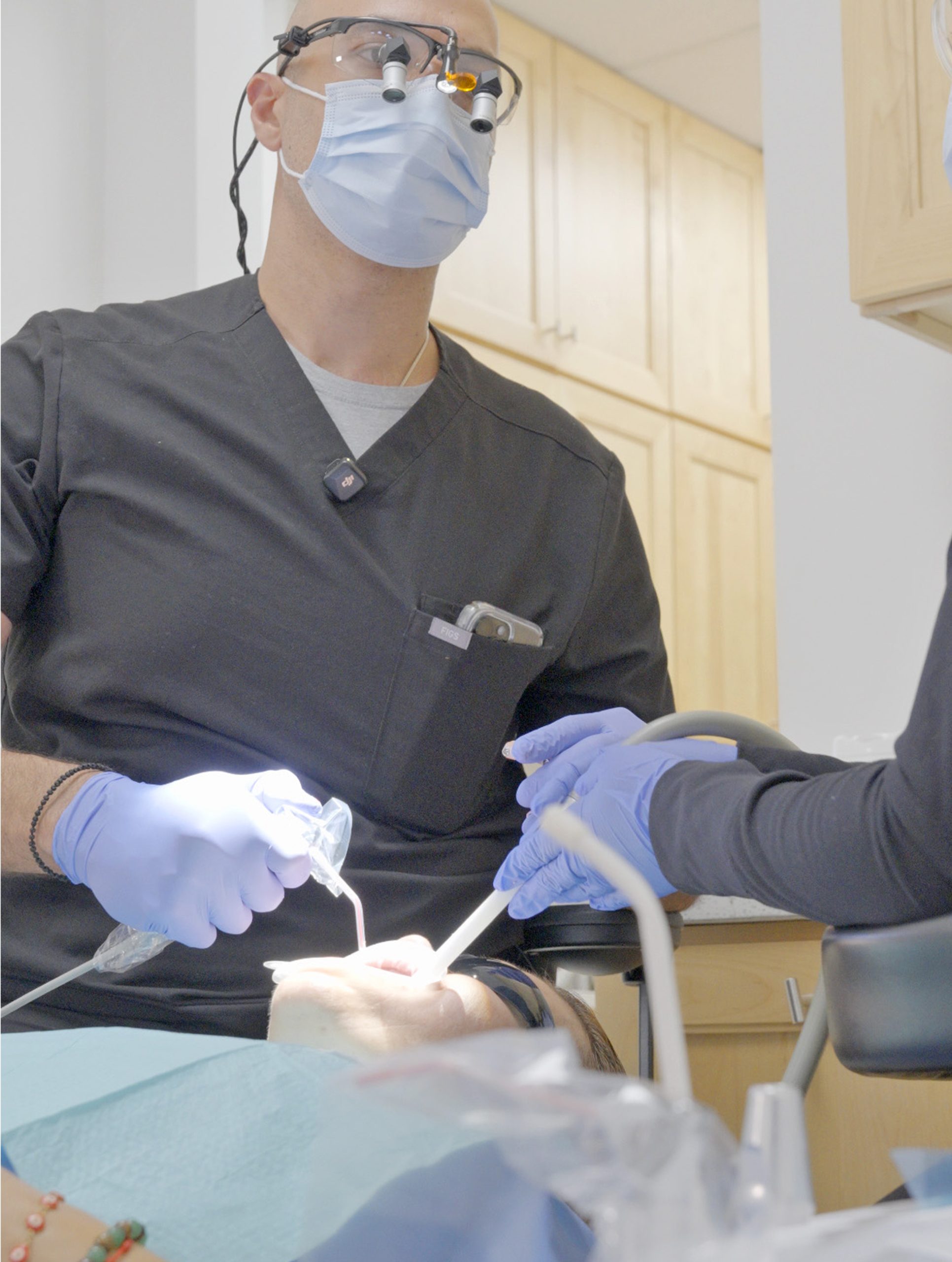
Why Effective Halitosis Treatment Starts With the Cause
Once the cause is clear, treatment can be matched to the problem instead of simply covering the odor. Poor oral hygiene, gum disease, tooth decay, infection, and dry mouth may all require different approaches.
Depending on what the exam shows, care may include:
- Professional cleaning to remove plaque and tartar
- Gum treatment when periodontal disease is involved
- Composite fillings or crowns for decayed or damaged teeth
- Treatment of infection when present
- Dry-mouth management and home-care changes
- Medical referral when the source does not appear to be dental

The Benefits of Keeping Your Breath—and Smile—Healthy
Preventing bad breath is about more than feeling confident in conversations. Consistent home care and professional support can help protect your gums, reduce harmful buildup, and identify dental concerns before they become more difficult to manage.
A healthy routine can help you:
- Enjoy fresher breath throughout the day
- Reduce plaque and tartar buildup
- Protect your gums from inflammation and disease
- Lower the risk of decay and dental infections
- Identify changes before they cause discomfort
- Feel more comfortable speaking and smiling
At Cura Smiles, we look beyond temporary solutions. Our team helps identify what may be affecting your breath, provides care tailored to the cause, and develops a preventive plan designed to support lasting oral health and everyday confidence.
Frequently Asked Questions
Can halitosis come from a decayed tooth?
Can dry mouth cause persistent bad breath?
Will a professional cleaning get rid of halitosis?
When should bad breath be checked by a doctor?
Can a tongue scraper help with bad breath?
Fresh Breath is Closer Than Ever
Persistent bad breath can feel uncomfortable to bring up, but there is nothing unusual or embarrassing about asking for help. At Cura Smiles, the goal is simply to understand what is causing it and help you find a solution that makes sense.