Give Your Jaw a Break From Constant Clenching
Botox Treatments for Grinding
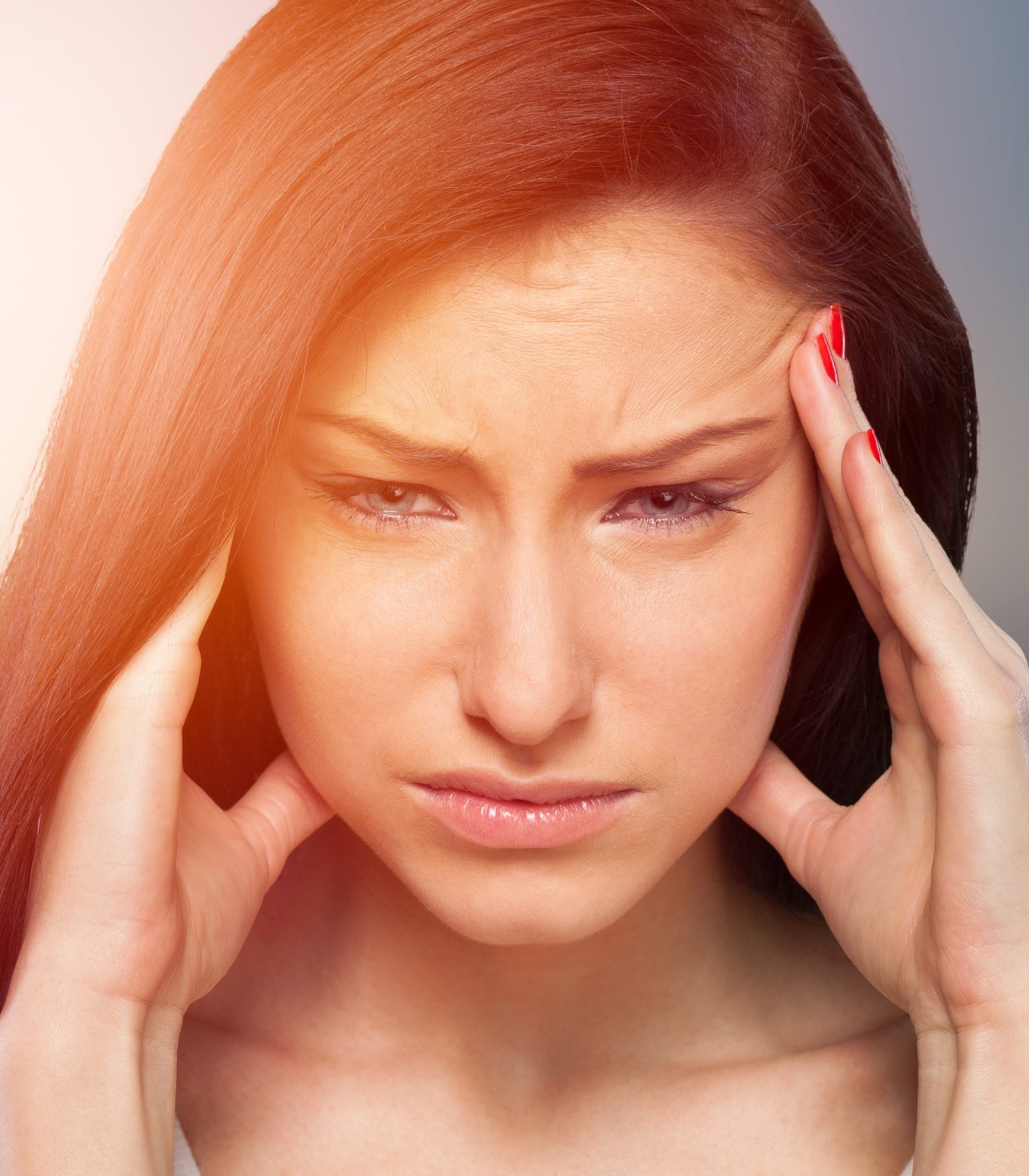
Your jaw shouldn’t feel as though it has been working all night. Morning soreness, afternoon clenching, recurring headaches, or new chips and wear on your teeth may indicate that your jaw muscles are under too much strain.
At Cura Smiles, Botox treatments for grinding are carefully planned to temporarily reduce excessive muscle activity and lessen the force behind powerful clenching. The goal is to ease force and tension, not to permanently cure bruxism or ignore what may be contributing to it.
Common Signs of Teeth Grinding and Jaw Clenching
You may notice:
- Morning jaw soreness
- Tightness around your cheeks or temples
- Frequent headaches
- Worn or chipped teeth
- Damaged fillings or crowns
- Grinding sounds during sleep
Because nighttime grinding can happen without you knowing, a dental wellness exam can help us spot the signs and decide whether Botox or another treatment makes sense.
How Botox Injections May Reduce the Muscle Force Behind Clenching
Botulinum toxin (Botox) works by relaxing the jaw muscles that are working too hard. It does not “freeze” your jaw; the goal is to reduce the force behind clenching while keeping normal chewing and speaking comfortable.
Interesting fact: In one study, Botox reduced the intensity of jaw-muscle activity during sleep bruxism for 12 weeks, even though it did not stop the grinding episodes themselves.
The effect is gradual. Colgate also notes that changes may begin within days, with fuller effects taking up to about two weeks and lasting several months.
Why Botox May Be Only One Part of Bruxism Treatment
Botox can reduce the force behind grinding and clenching, but it may not address what is causing the habit in the first place. Stress, sleep, medications, and everyday clenching habits can all play a role.
A 2025 systematic review found that Botox reduced muscle activity in several studies and improved muscle pain in some patients, although researchers noted that more long-term evidence is still needed.
Botox for bruxism is also considered off-label, meaning it is not specifically FDA-approved for teeth grinding.

Could Botox Be Right for You?
Botox may be worth discussing if frequent clenching leaves your jaw tired or sore, or if grinding is beginning to wear, chip, or damage your teeth. It may also be considered when a night guard alone is not addressing the muscle tension you feel.
The right choice depends on your symptoms, dental health, and what may be contributing to the grinding.
How to Protect Your Teeth While Managing Bruxism
Treatment may include:
Botox to reduce strong clenching
Changes to daytime clenching habits
Stress-management strategies
Repairs for teeth already worn or chipped

A night guard protects the teeth, while Botox targets the muscle force behind clenching. If damage has already occurred, composite fillings or dental crowns may also be needed.
If grinding occurs with loud snoring, breathing pauses, or daytime tiredness, those symptoms should be evaluated separately because Botox does not treat an underlying airway problem.
How We Determine Whether Botox Fits
Your Treatment Plan
Will Insurance Cover Botox for Grinding?
Coverage varies by insurance plan, especially because Botox for bruxism is an off-label treatment. Our team can review your benefits, explain expected costs, and discuss available payment or financing options before treatment begins.