

Eat, Smile, and Speak Without Thinking Twice
Dental Implants in Houston for What’s Missing
Choosing the Right Dental Implant for Your Needs
- Single-tooth implant: replaces one missing tooth without touching the healthy teeth beside it
- Multiple-tooth implant, or implant bridges: restores several missing teeth with a fixed option, so you’re never taking anything in or out
- Full mouth dental implants: give you back a complete set of teeth after total tooth loss, sometimes as part of a broader full mouth reconstruction plan
Once you know how many teeth you’re replacing, the next question is where the implant itself will actually sit.

Choosing the Right Dental Implant for Your Needs
Single-tooth implant
Replaces one missing tooth without touching the healthy teeth beside it
Multiple-tooth implant, or implant bridges
Restores several missing teeth with a fixed option, so you’re never taking anything in or out
Full mouth dental implants
Give you back a complete set of teeth after total tooth loss, sometimes as part of a broader full mouth reconstruction plan
Once you know how many teeth you’re replacing, the next question is where the implant itself will actually sit.
Dental Implant Options When Jawbone Is Limited
Endosteal implants
The most common choice in implant dentistry, placed directly into the jawbone as a screw, cylinder, or blade.
Subperiosteal implants
Zygomatic implants
Before anything is decided, digital imaging shows exactly what your jawbone looks like. Afterwards, we move forward with a plan.

Your Path From Consultation to New Teeth
1. Request
You request a consultation, then we take dental X-rays
2. Review
We review your jawbone and gum health together
3. Compare
We compare implant types that fit your situation
4. Plan Treatment
We plan treatment around your priorities
How the Jawbone Creates a Stable Implant Foundation
Research shows that over 96% of dental implants last 10+ years, giving you real, long-term peace of mind.
How Exactly Does This Happen?
- One to two weeks: early healing after surgery
- Three to six months: your jawbone fully bonds with the implant
- Final restoration: your custom crown or bridge is attached once healing is complete
Understanding Your Options Before You Decide
Your consultation also considers overall health, gum health, and available jawbone. If a standard implant is not the best fit, options such as bone grafting or implant-supported dentures may be discussed.
Once your implant plan is settled, there’s one more question: what about the rest of your smile?

Missing Teeth Are More Common Than You’d Think
About one quarter of adults 65 and older have eight or fewer remaining teeth. If you wait to fix a gap, it can start affecting the bone and teeth around it.
Missing tooth replacement isn’t just about how your smile looks; it’s about protecting your bite and jawbone too. Talking to us sooner usually makes treatment easier.
Caring for Your New Smile
Caring for a dental implant is simple:
- Brush and floss around it like you would a natural tooth.
- Keep up with regular checkups.
- Skip hard foods while you’re healing.
Do that, and your implant can work like a real tooth for years.
Making Sense of Your Insurance Options



















Why Houston Patients Choose Our Dental Implant Center
Our care doesn’t stop once your implant is placed. We support you before, during, and after every step, from your first visit through recovery.
before & after
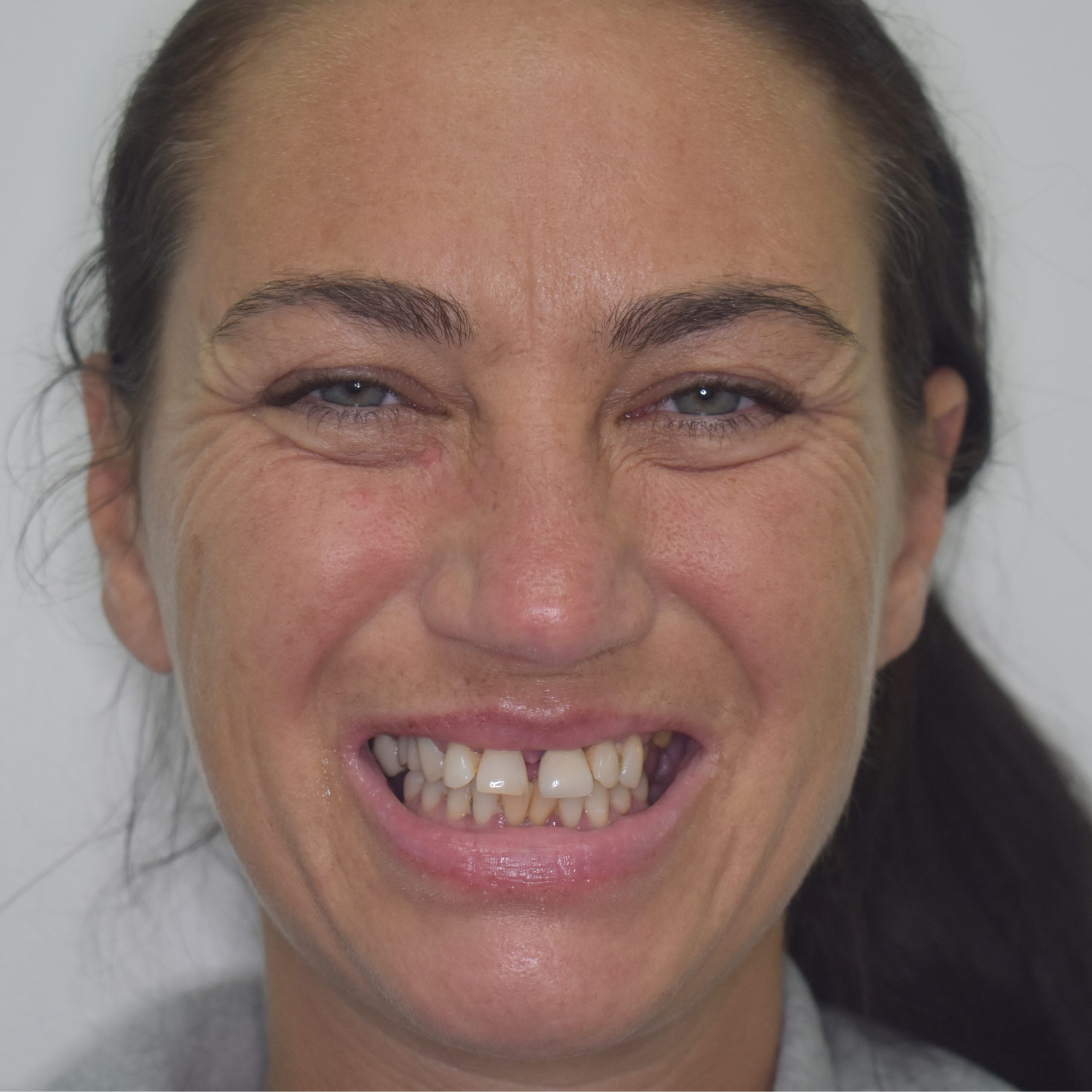
Before

after
Questions About Choosing Dental Implants
How long do dental implants last?
Does the procedure hurt?
What if I don't have enough bone?
How is an implant different from a bridge?
Will insurance help with the cost?
Replacing a Tooth Starts With the Right Plan
You don’t need to have it all figured out before reaching out. As your dental implant dentist, Dr. Bishara offers a real conversation, not a sales pitch, about what’s possible for your smile.